Powered by  Translate
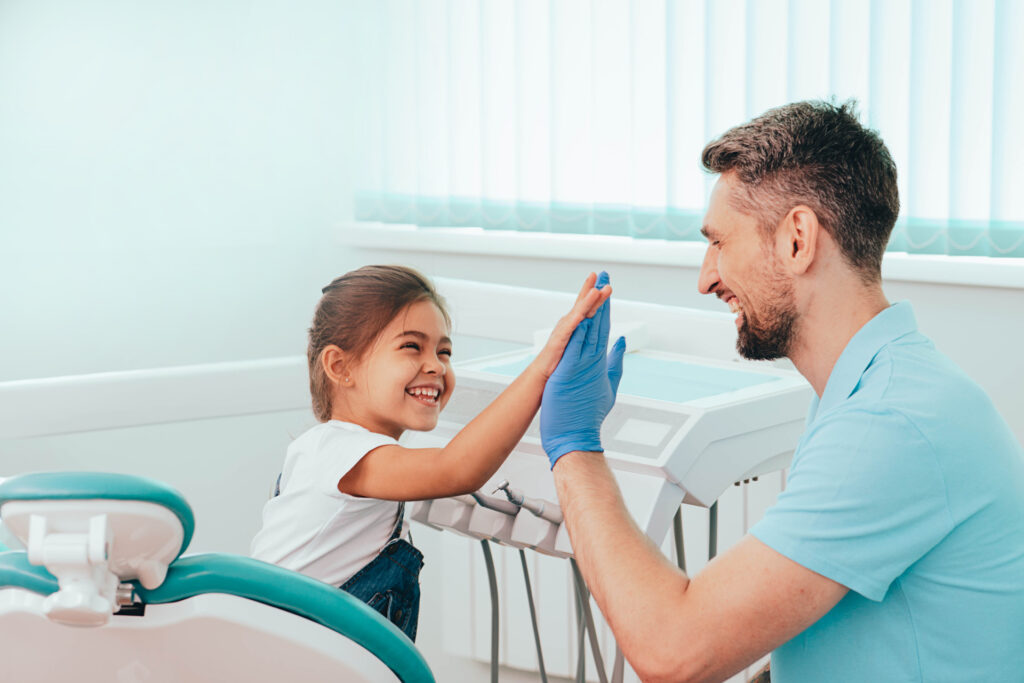
Good oral hygiene starts at home. Brushing and flossing are the two most important daily habits your child can develop to prevent cavities and maintain a healthy smile. The American Dental Association recommends that children brush twice daily and floss once daily as soon as teeth begin to touch.
Brushing Basics
How Often and How Long
Children should brush their teeth twice a day — once in the morning and once before bed. Each brushing session should last approximately two minutes to ensure all surfaces are cleaned thoroughly.
Toothbrush and Toothpaste
Use a soft-bristled, child-sized toothbrush that fits comfortably in your child's mouth. Replace it every three to four months or sooner if the bristles become frayed. Use fluoride toothpaste — a smear the size of a grain of rice for children under 3, and a pea-sized amount for ages 3 and up.
Technique
Hold the toothbrush at a 45-degree angle to the gums. Use gentle, circular motions to clean the outer surfaces, inner surfaces, and chewing surfaces of all teeth. Don't forget to brush the tongue to remove bacteria and freshen breath.
When to Help Your Child Brush
Parents should assist with brushing until children are around age 7 or 8, when they have developed sufficient motor skills to brush effectively on their own. Even after children begin brushing independently, it is a good idea to check their technique periodically.
Flossing Basics
When to Start
Begin flossing as soon as two teeth are touching side by side — typically around ages 2 to 3. Cavities frequently form between teeth where a toothbrush cannot reach, making flossing an essential complement to brushing.
How to Floss
Use a piece of floss about 18 inches long. Wind most of it around your middle fingers, leaving an inch or two to work with. Slide the floss gently between each pair of teeth, curving it into a C-shape against each tooth and moving it up and down. Use a clean section of floss for each tooth.
For young children, floss picks or child-friendly flossers can make the process much easier to manage.
How Often
Floss once daily — preferably before bedtime so food and plaque are not left between teeth overnight.
Tips for Making Brushing and Flossing Fun
Building a consistent oral hygiene routine is much easier when it feels enjoyable rather than like a chore:
- Use a two-minute timer or play a fun song to make brushing feel like an activity
Consistency is the key to preventing cavities and building lifelong oral health habits. If you have questions about your child's brushing or flossing technique, ask our team at your next visit — we are always happy to demonstrate the right approach.
