Powered by  Translate
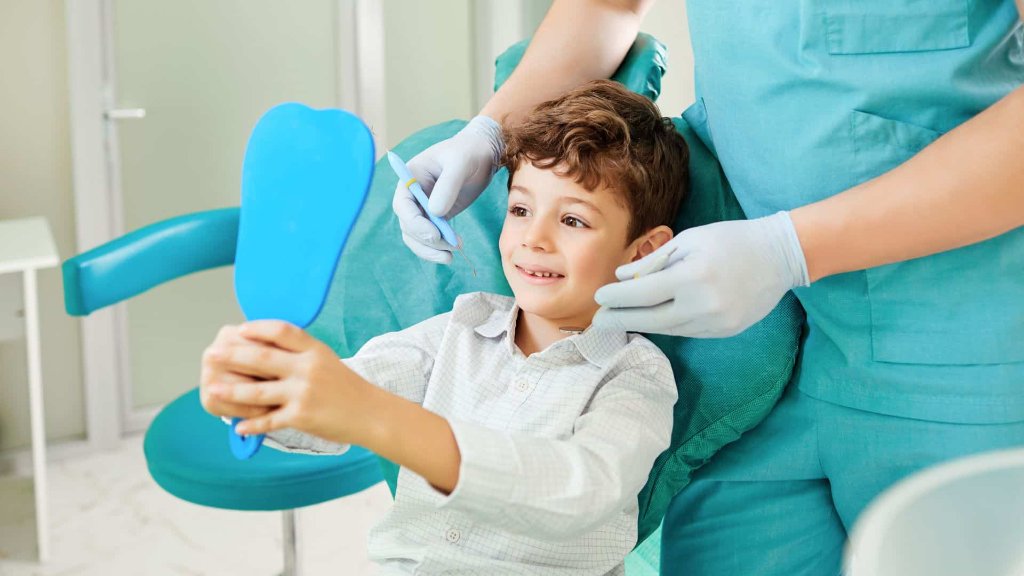
Parents often wonder if their child's teeth are developing normally or if braces may be needed in the future. According to the American Dental Association, monitoring dental development early helps prevent more serious orthodontic problems later.
When Do Kids Start Losing Baby Teeth?
Most children begin losing baby teeth around age 6, though this can vary. The typical timeline is:
- Ages 6–7: front teeth
Differences in timing between children are completely normal.
Signs Your Child May Need Braces
You may want to schedule an evaluation if your child has:
- Crooked or crowded teeth
These are common concerns that parents bring up during routine checkups.
What Age Should Kids See an Orthodontist?
Children should have an orthodontic evaluation by around age 7. Early checks allow the dentist to guide jaw growth and prevent more complex issues later. An evaluation at this age does not always mean treatment is needed right away — it simply ensures any developing problems are caught early.
How Habits Affect Dental Development
Certain habits can impact how teeth grow, including:
- Thumb sucking
If your child has any of these habits, mention them at your next dental visit. Your dentist can help assess whether intervention is needed.
What Happens If a Baby Tooth Falls Out Too Early?
Losing a baby tooth too soon can cause nearby teeth to shift into the empty space, leading to crowding and alignment problems for the permanent teeth. A dentist may recommend a space maintainer — a small appliance that holds the correct space until the permanent tooth is ready to come in.
Supporting Healthy Dental Development
The best steps you can take at home include:
- Scheduling regular dental visits starting from the first tooth
Early evaluation can make orthodontic treatment easier, shorter, and more effective. If you have concerns about your child's dental development, contact our office to schedule a growth and development check today.
