Powered by  Translate
Translate
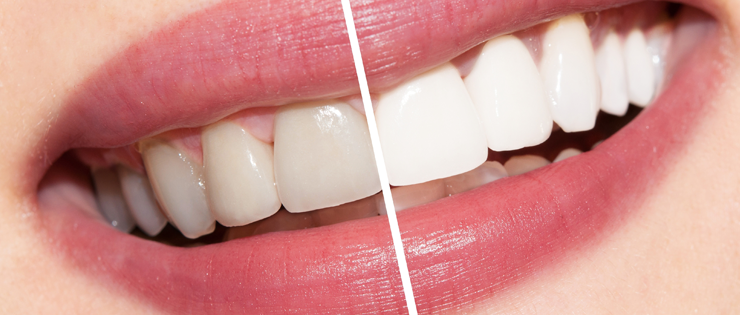
As a parent, you want your child to feel confident in their smile—but also safe and healthy. Teeth whitening is something many parents consider, especially as children grow into their teen years. According to the American Dental Association (ADA), whitening for younger patients should always be approached carefully and with professional guidance.
This guide will help you understand when whitening is appropriate—and when safer alternatives may be the better choice.
Why Do Children and Teens Have Tooth Discoloration?
Before considering whitening, it's important to understand the cause. Many cases are completely normal and harmless.
Common reasons include:
- Natural color differences between baby and adult teeth
In many cases, what looks like discoloration will improve on its own as your child grows.
Teeth Whitening for Children (Under 13)
For younger children, whitening is generally not recommended by the ADA.
Why Parents Should Wait
- Children's enamel is thinner, making teeth more sensitive
Potential Risks
- Tooth sensitivity or discomfort
What You Can Do Instead
If you're concerned about your child's smile, safer options include:
- Scheduling a professional dental cleaning
Often, these steps alone noticeably improve appearance.
Teeth Whitening for Teens (13–18)
As children become teens, it's very common for parents to ask about whitening for confidence, photos, or special events.
The American Dental Association states that whitening may be appropriate in certain teen cases, but only under dental supervision.
When Parents Can Consider Whitening
- Most or all permanent teeth have fully erupted
Professional vs. Store-Bought Options
- Dentist-supervised whitening: Customized, monitored, and safer for teens
What Parents Should Know
- Teens may experience more sensitivity than adults
Safer Alternatives Parents Should Try First
Before choosing whitening, many dentists recommend starting with simple, low-risk options:
- Professional cleanings to remove surface stains
These steps often deliver noticeable improvements without exposing your child to unnecessary sensitivity.
A Parent's Checklist Before Whitening
If you're considering whitening for your child or teen, ask yourself:
- Have we had a dental check-up recently?
A quick consultation can help you make the best decision with confidence.
Final Thoughts
Wanting the best for your child's smile is completely natural. While whitening can be helpful in the right situation, the American Dental Association emphasizes that safety, timing, and professional guidance matter most.
Focusing on healthy habits and consulting your dentist first ensures your child's smile stays not just bright—but truly healthy for years to come.
